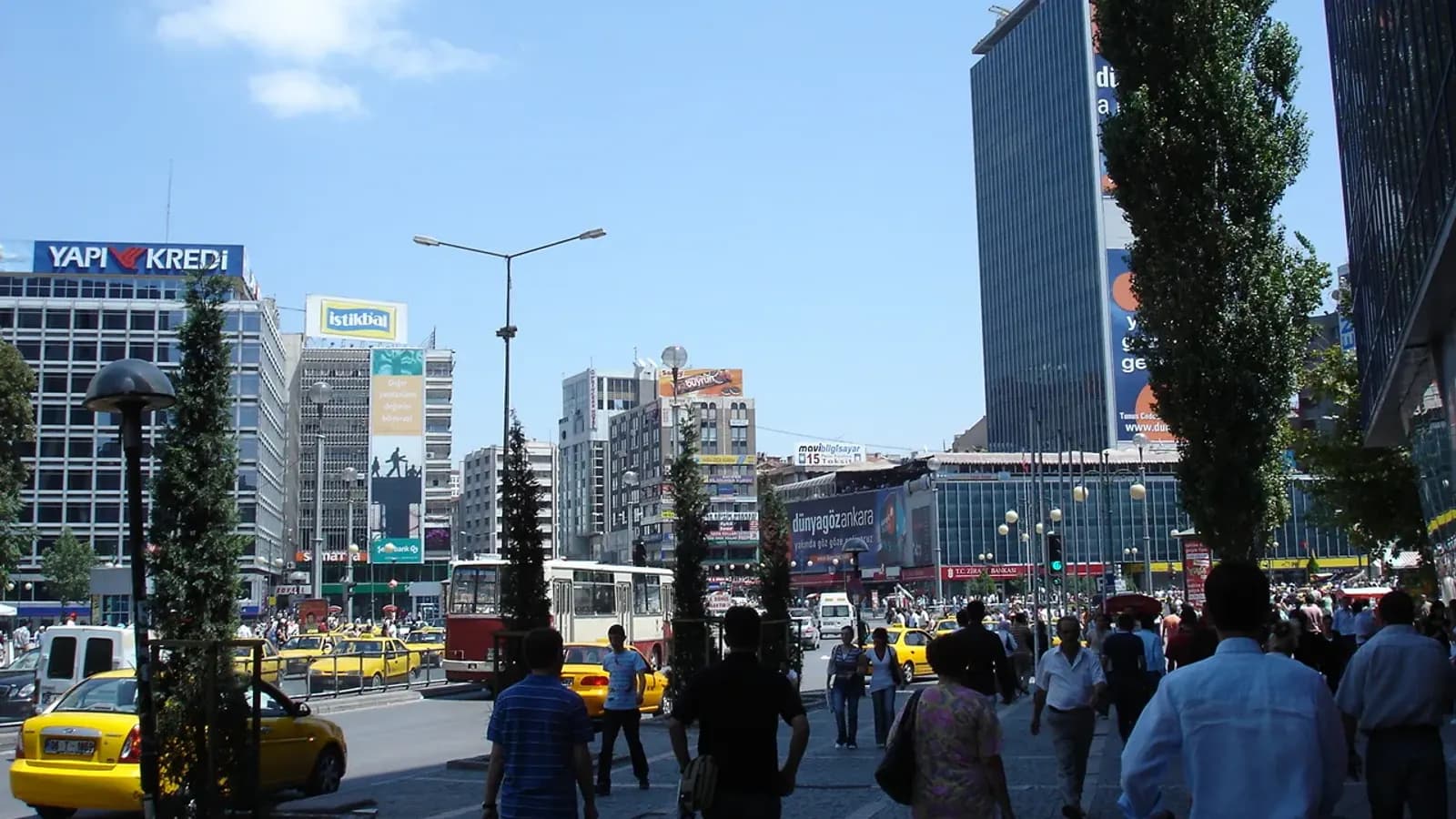
İç Anadolu Region
Study in Ankara
12 universities, 10 programmes
Key facts
Universities
12
Programmes
10
Why Ankara?
Ankara is the capital, which shapes what studying here is like. Ministries, embassies and public institutions are in the city, so internships and graduate positions in public administration, law and international relations are close by in a way they are not elsewhere.
Several of the country's long established universities are here, with large campuses on the edge of the city rather than scattered through it. That makes for a more contained student experience than İstanbul offers.
Universities in Ankara
All universities in Ankara →


Lokman Hekim University
0 programs
Programmes by subject
Cost of living
Ankara costs less than İstanbul, mainly on rent. Districts near the large campuses are the exception and can be close to İstanbul prices during term.
Campus housing is worth applying for early where it exists, since the large campuses are some distance from the centre.
Student life
Because the big campuses sit outside the centre, a lot of student life happens on campus: student societies, sports facilities, libraries open late, and housing within walking distance of lectures.
The city has a settled cultural calendar through the academic year, with state theatres, concert halls and cinemas. Winters are cold and dry, and the year is planned around that more than in the coastal provinces.
Getting around and culture
The metro and the Ankaray line cover the main axes, with buses filling in the rest. Campus shuttle services are common and are often the practical way in and out of the larger universities.
Ankara is a road and rail junction, so travelling to other provinces is straightforward. High speed rail connects it to several cities, and the airport handles domestic and international flights.
Visa, work and language
These rules are the same everywhere in Türkiye. They are not specific to Ankara.
Student visa
Most international students need a student visa from a Turkish consulate before travelling, and then a student residence permit after arriving. The university's international office issues the acceptance documents the application is built on, and it is the first place to ask when something is unclear.
The order matters: the visa is applied for in your own country, and the residence permit is applied for in Türkiye within the period allowed after arrival.
Requirements differ by nationality and change from time to time. Check the current rules at the Presidency of Migration Management (goc.gov.tr) and with the Turkish consulate in your country before you make travel plans.
Working while you study
Working while studying is possible within limits that depend on your level of study and your permit. The limits are not the same for undergraduate and postgraduate students, and working outside them puts your residence permit at risk.
Before accepting any work, including seasonal work, confirm what your own permit allows with your university's international office. Internships that are part of your programme are handled separately, and your department will tell you how.
Language of instruction
Programmes are taught in Turkish or in English, and some are taught partly in both. The language is listed on each programme page, so check it there rather than assuming from the university.
Programmes taught in Turkish usually require a Turkish proficiency certificate, and universities run preparatory year courses for students who need one. Programmes taught in English usually require an English test result, with the accepted tests and scores set by each university.
Frequently asked questions
Are the campuses far from the city?
Several of the largest ones are on the outskirts. Check the shuttle timetable and the metro connection before choosing where to live.
How cold does it get in winter?
Colder and drier than the coastal provinces, with snow during the winter months. Plan for proper winter clothing.